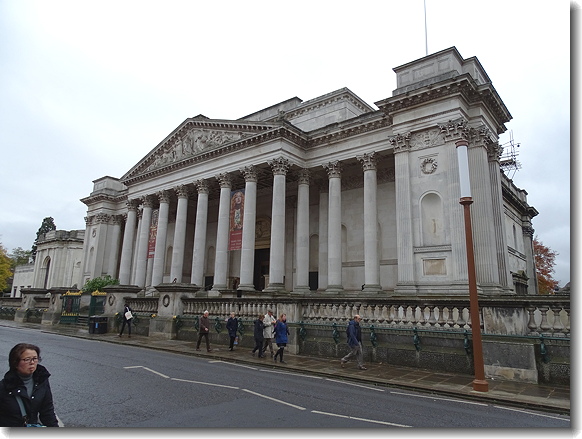
In the afternoon, we visited the Fitzwilliam Museum, the art and antiquities museum of the University of Cambridge. This is a wonderful museum and we could spend days in there. Everything is well-displayed and clearly labelled with interesting information. The photos below show just a few of the exhibits that caught my eye.
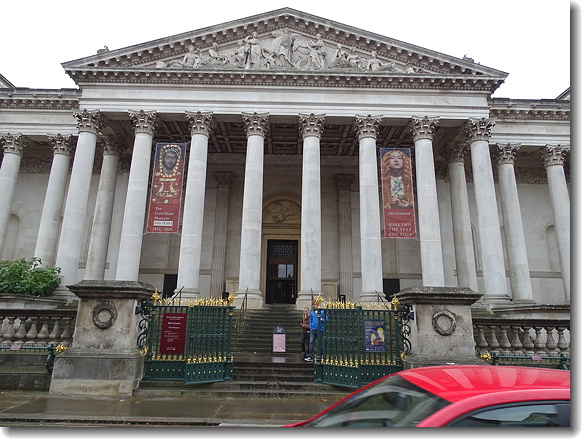
The building was completed in 1875.
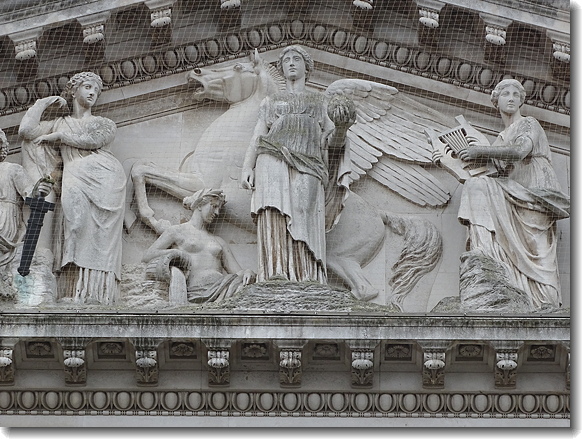
The frieze at the top was impressive.
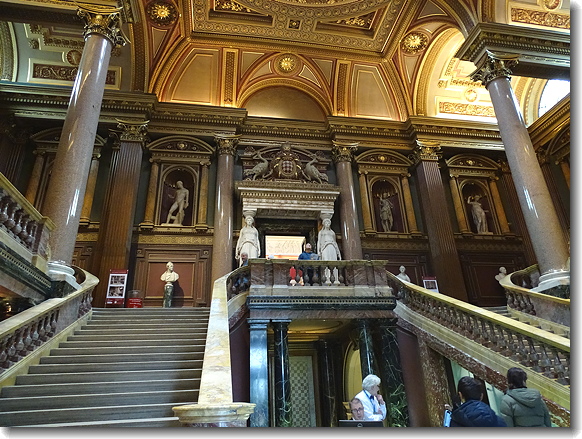
It was worth visiting the museum just to see the entrance hall!
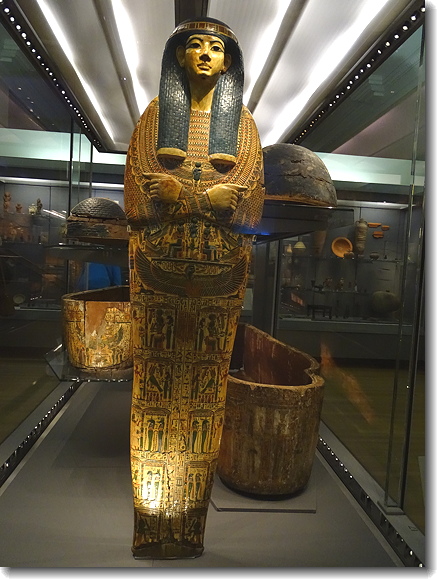
This is the coffin of Nespawershefyt, an important official at the Temple of Amun at Karnak about 990-940BC.
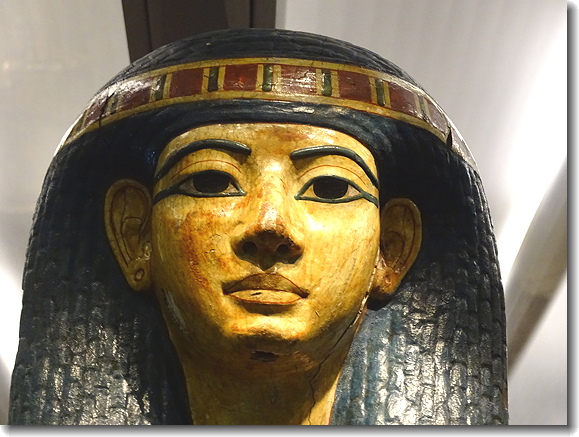
Detail of coffin cover
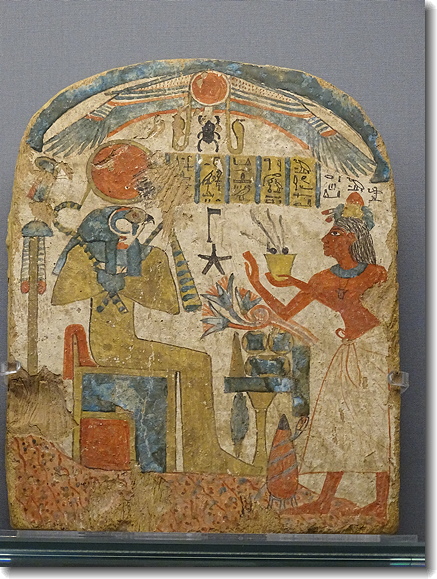
A painted wooden stela from 946-730BC. A man called Iufaa is offering incense to Re-Harakhty the sun god of the underworld.
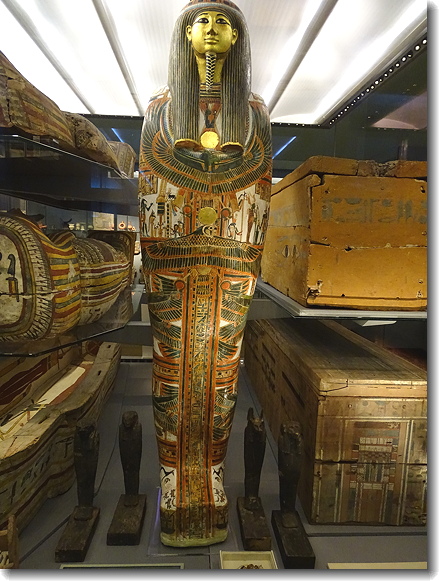
Coffin of Nakhtefmut, the fourth priest of Aman about 923-890BC
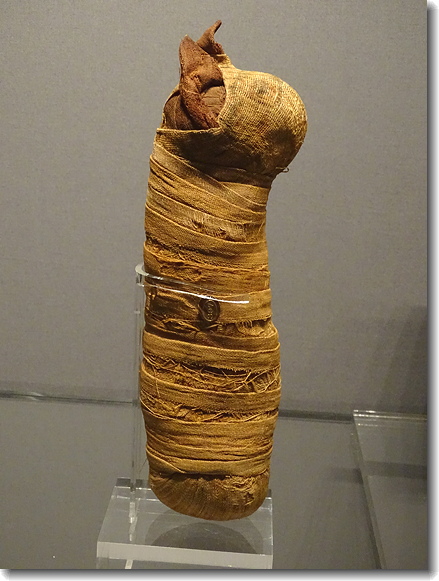
A mummified kitten, only a few days old when it died
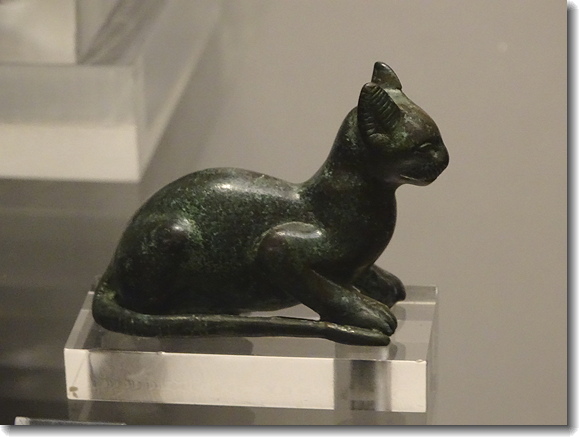
The goddess Bastet in the form of a cat
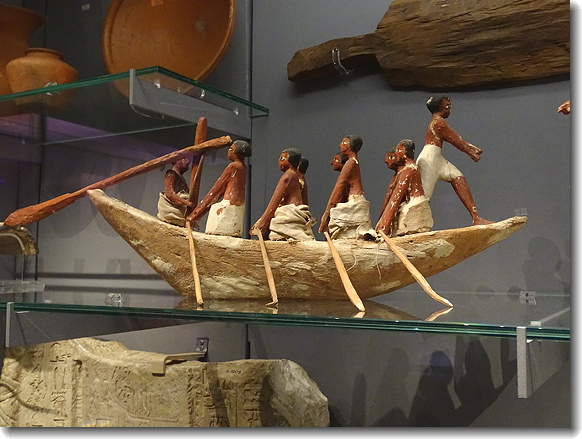
This model was found in a tomb and dates to 1985-1950BC.
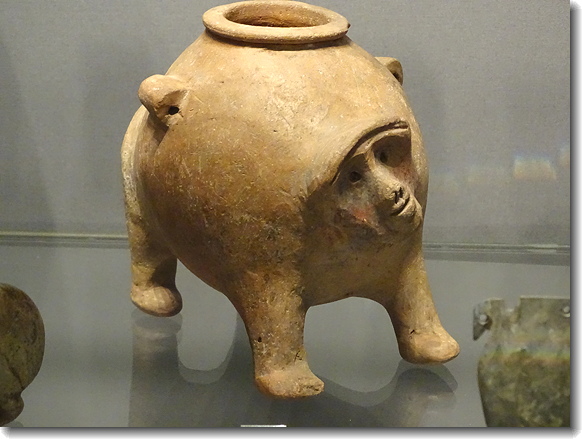
A clay vessel from 3500BC. This is supposedly a hedgehog! I don't think the person who made it had ever seen one!
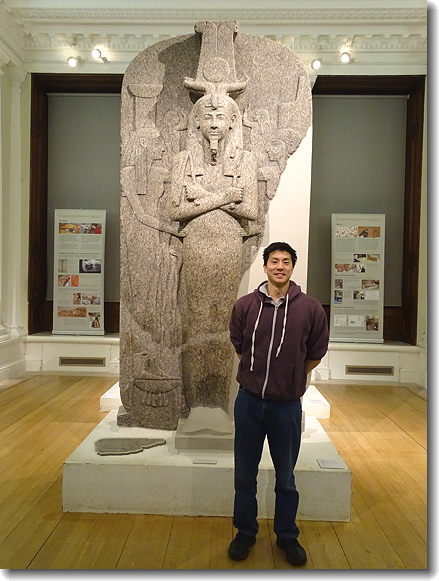
Granite sarcophagus lid of King Rameses III. It's huge!
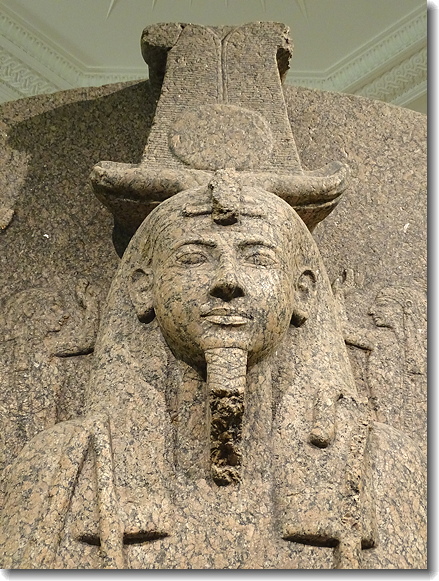
Detail of above
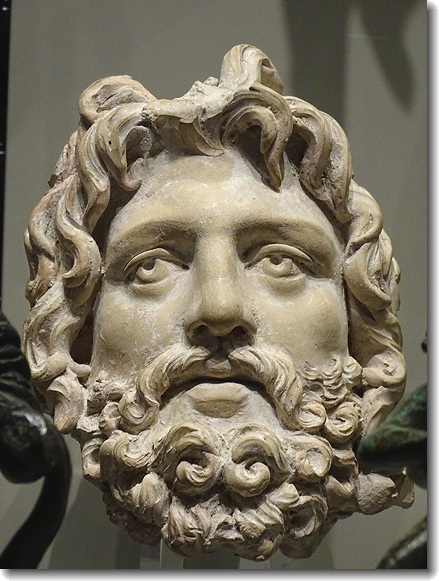
The head of Jupiter from AD1-100.
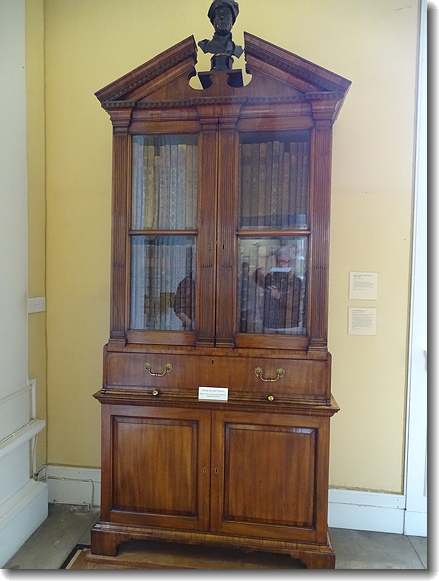
This cabinet belonged to Handel and some of his manuscripts are kept within.
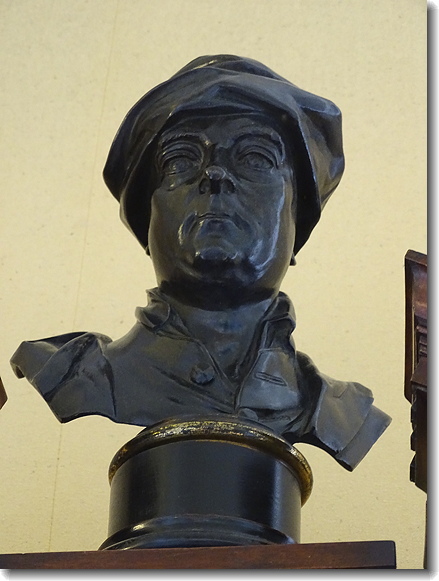
The bust of Handel above the cabinet was added later.
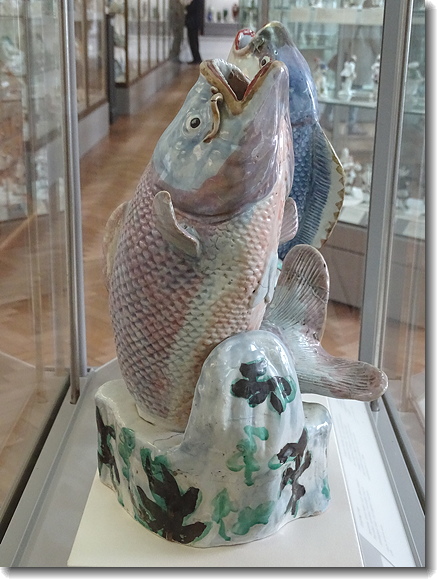
A early 18th century Japanese porcelain leaping carp, emblematic of scholastic prowess
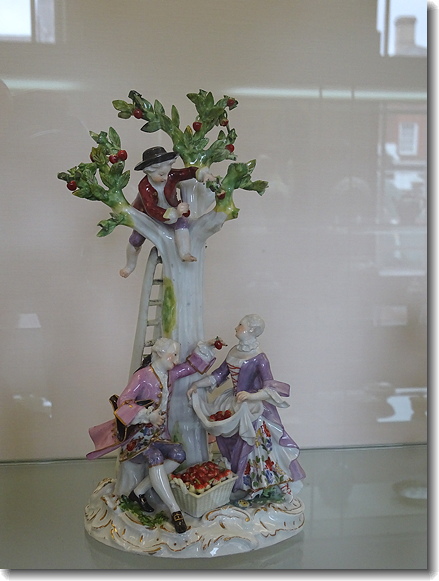
"The Cherry Harvest" from about 1765
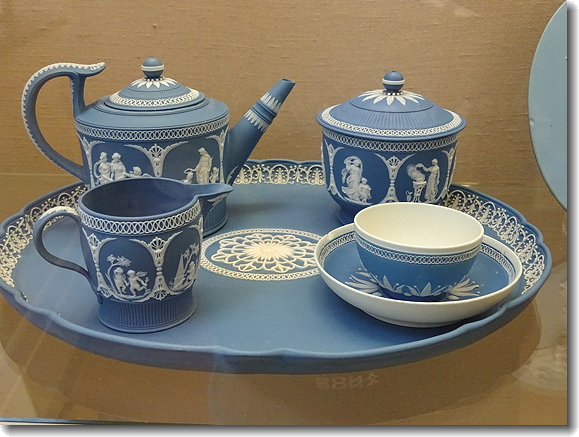
A tea set similar to Wedgwood. This one was made by William Adams in Staffordshire about 1799.
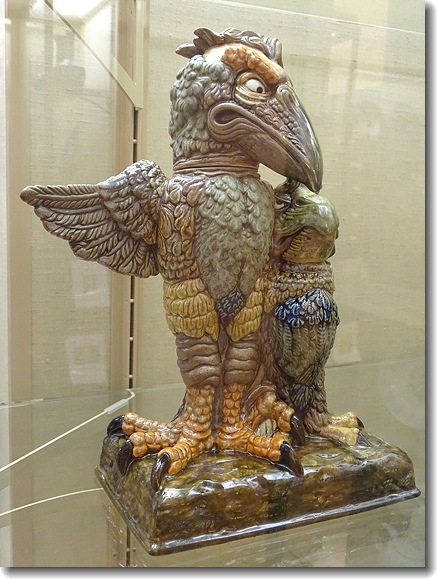
"Parenthood" (English, 2011 made by Andrew Hull)
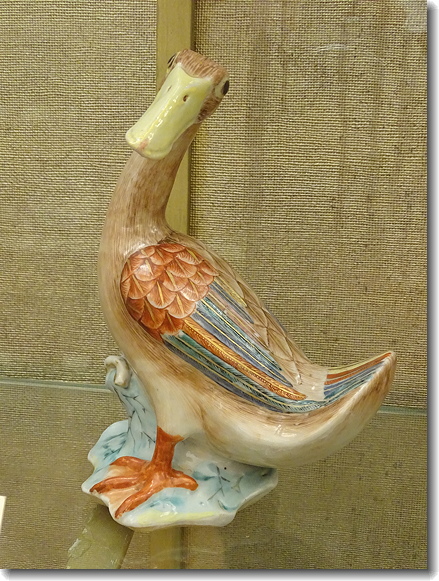
One of a pair of ducks, Chinese, middle of 18th century
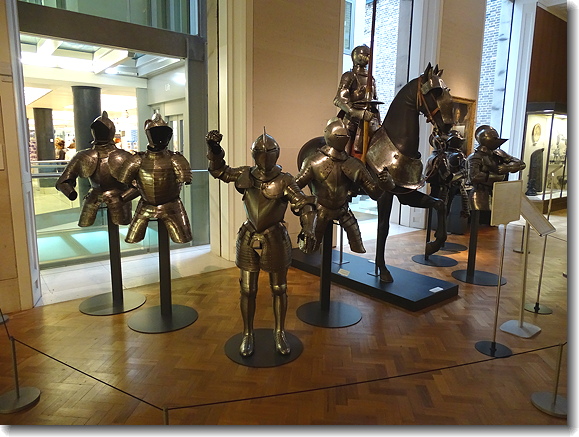
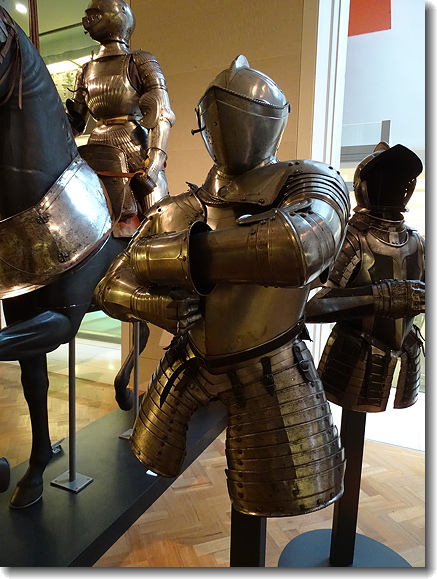
Armour from a variety of times and sources.
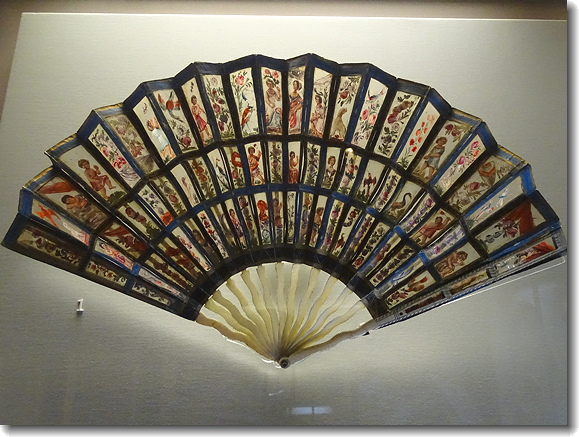
There was a whole room of fans. This one was my favourite. It is a Messel Mica Fan from Europe about 1660. It is one of only three such fans known to exist.
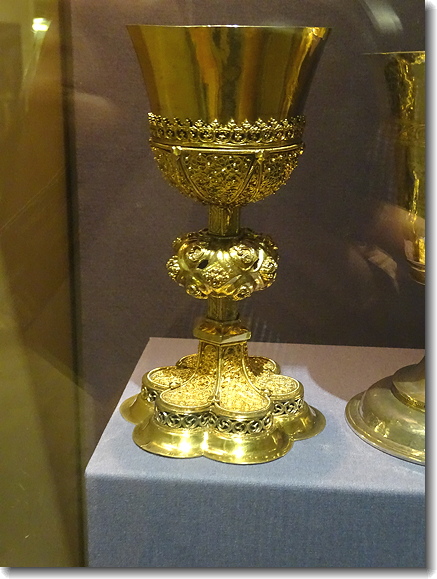
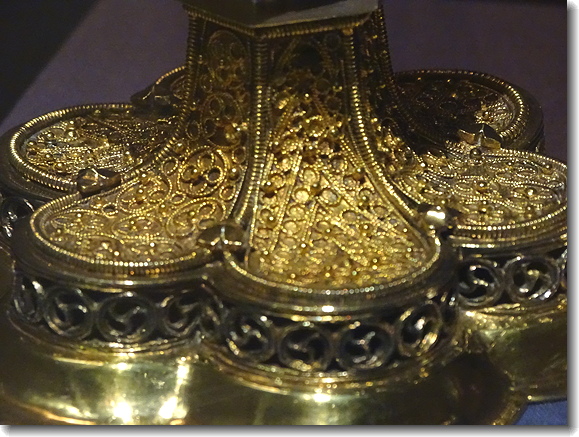
A medieval chalice. I was amazed at the fine work on the base. The chalice was only about 20cm tall.
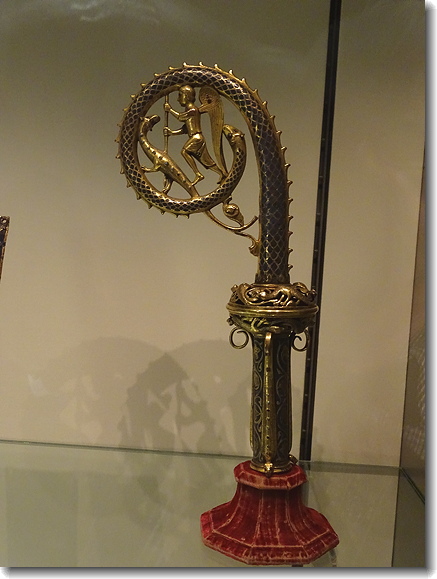
A crozier (the top of a bishop's staff) from about 1220.
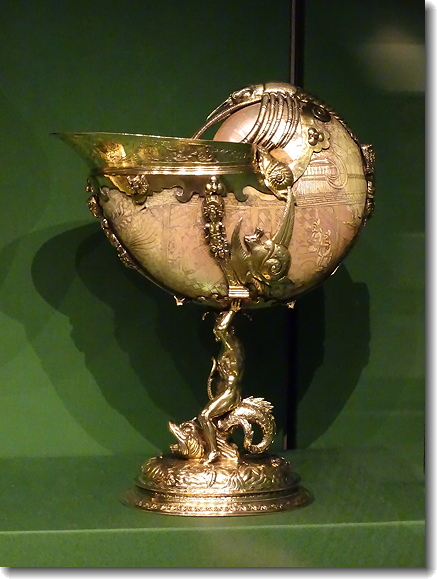
A nautilus shell cup made in England about 1585.
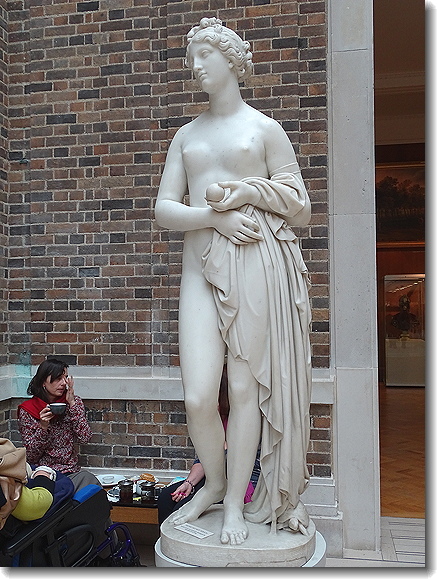
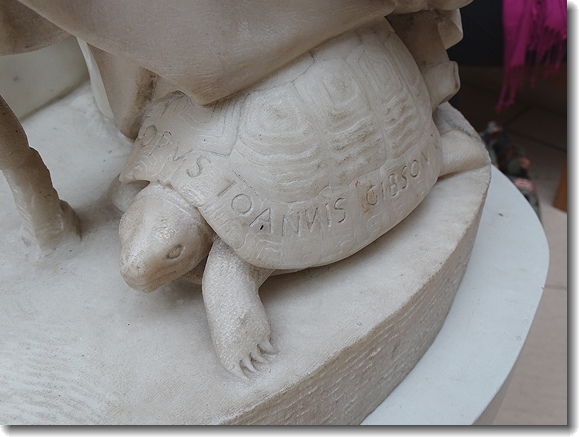
"Venus Verticordia" sculpted by John Gibson about 1838. A wonderful statue but I liked the tortoise at her feet the best!
By this time, we were getting very tired but then we found there was a temporary exhibition called "Colour: The Art and Science of Illuminated Manuscripts". This exhibition showed 150 illuminated manuscripts. The name "Colours" is very apt because the manuscripts were so bright and colourful. It was astounding to see the works done so long ago (the oldest was from 950AD) still literally shone with colour. There were pages and pages of writing, all done by hand with a swan or goose quill. No mistakes, no blots - perfect! The disappointing thing about the exhibition was that photography was not permitted. My feet were now in imminent danger of falling off!
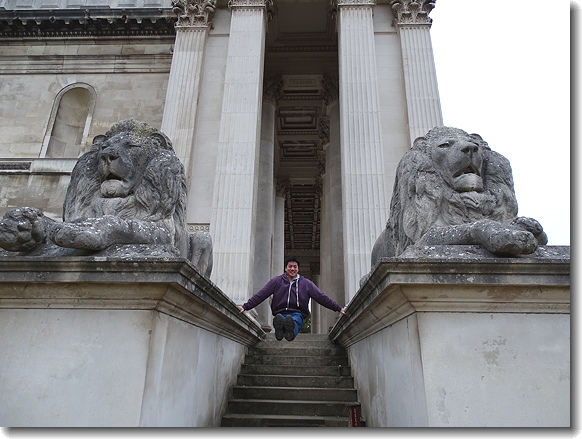
There were lions on both sides of the museum.
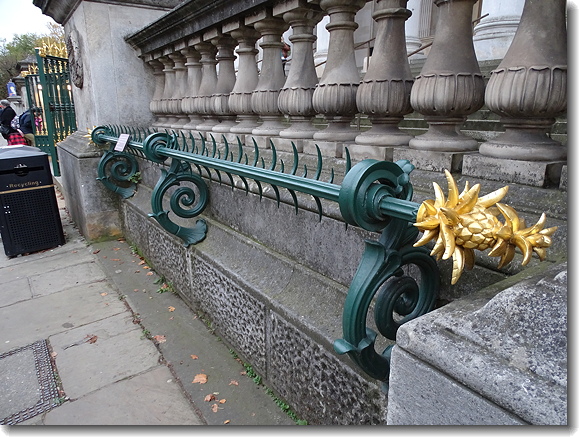
Even the railings were interesting!
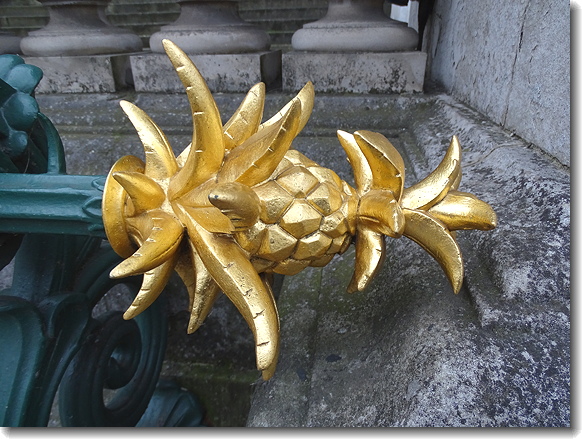
A pineapple!
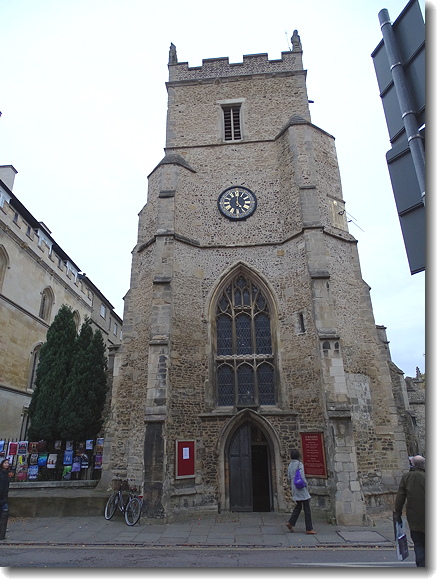
As we walked back through the streets of Cambridge we came across St.Boltoph's Church which was built about 1350.
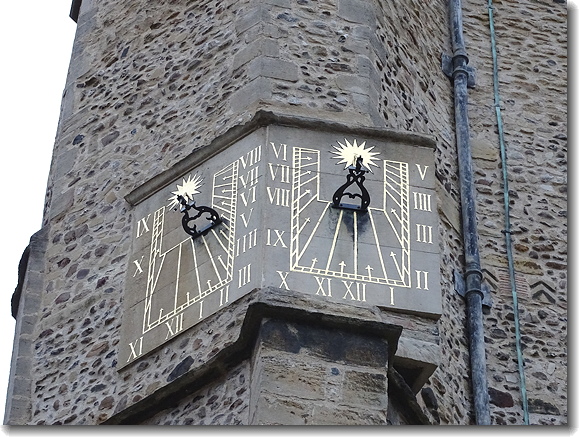
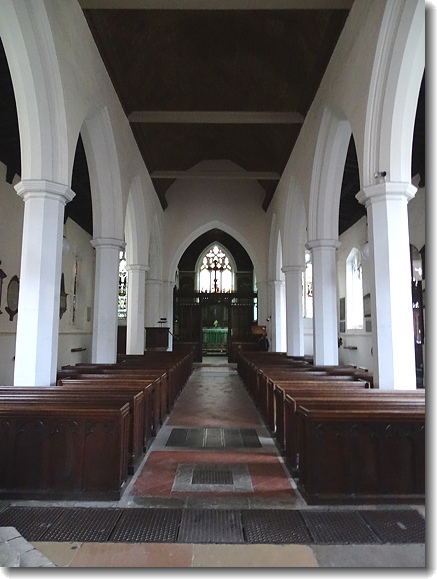
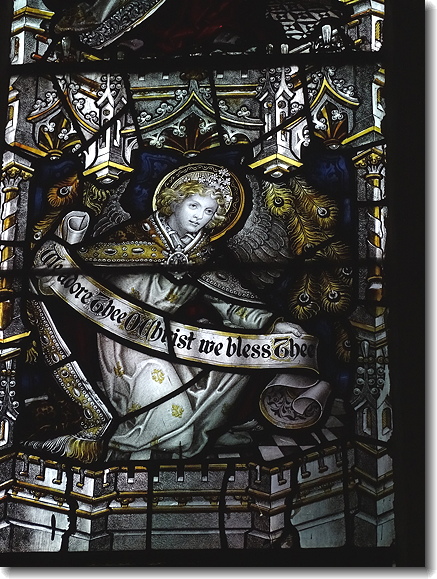
It was getting dark so photos of windows didn't work out very well. This one is OK.
At 5:30pm we went to King's College for a Sung Eucharist for All Saints' Day. The Chapel Choir was joined by the King’s Voices tenors and basses in singing "Messe Solennelle in F Sharp Op.36" by Widor. This is a huge work with parts for two choirs and two organs. It was great! You can listen to a performance of the Kyrie here. Ernest Bullock's fine anthem Give us the wings of faith was sung during communion and the organ voluntary was Vierne's Hymne au Soleil from the Pièces de Fantaisie.